If you love the idea of living in one of Nashville’s most recognizable historic neighborhoods but do not want the upkeep that can come with an older standalone home, Germantown deserves a close look. This pocket just north of downtown offers a rare mix of preserved character, modern attached housing, and a walkable lineup of dining, culture, and everyday destinations. If you are weighing condos, townhomes, or newer infill in the area, this guide will help you understand what makes Germantown distinct and what to watch for as you buy. Let’s dive in.
Why Germantown Stands Out
Germantown traces its roots to the 1850s, when European immigrants established what the Historic Germantown Neighborhood Association describes as Nashville’s first suburb. The neighborhood later became a Registered Historic District in 1979, and preservation remains a defining part of its identity today. That historic backdrop is a big reason the area feels layered, established, and visually memorable.
What makes Germantown especially appealing is that it was never defined by just one housing type. The neighborhood association notes that large brick town homes and modest worker cottages existed side by side early on, creating a mixed pattern that still feels relevant today. For a buyer, that helps explain why old and new can feel natural together here.
Historic Charm Meets New Construction
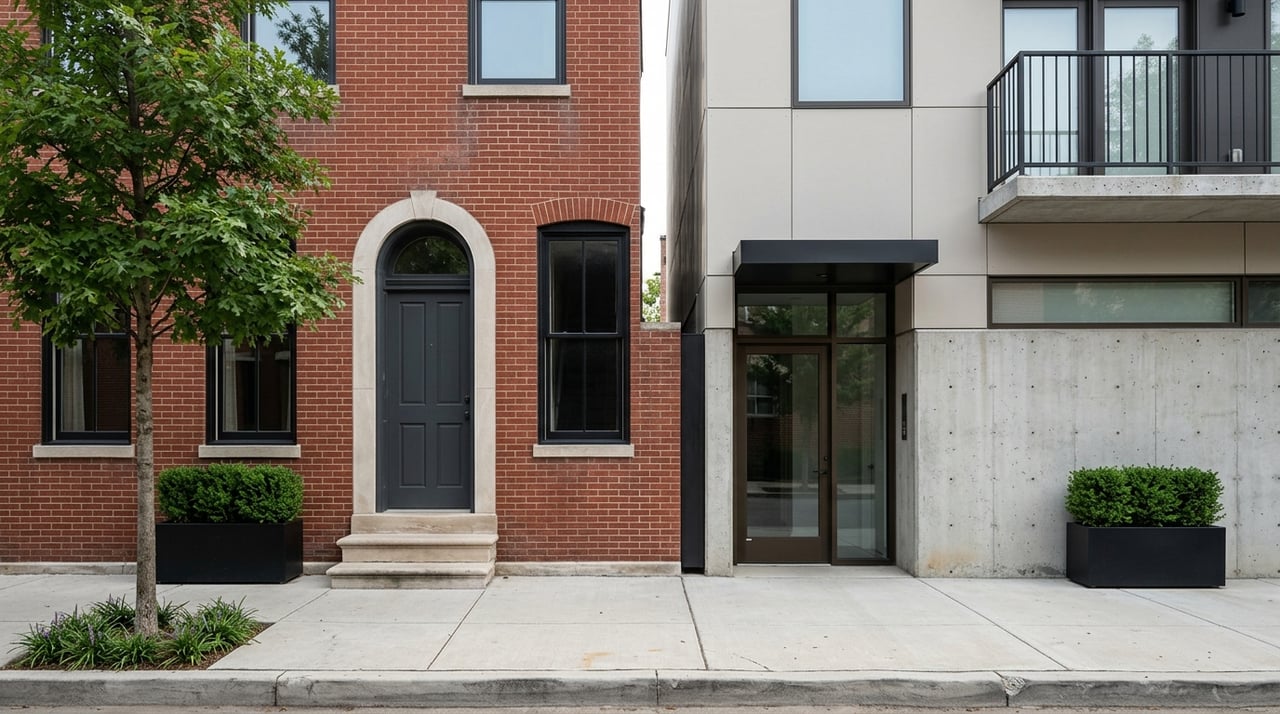
One of the most interesting things about buying in Germantown is that preservation and new development are not treated as opposites. Metro Nashville’s Germantown design guidelines specifically recognize both 19th-century development patterns and newer forms within the district. That means you will see a neighborhood where historic homes, storefronts, townhomes, and mixed-use buildings can coexist within a shared design framework.
The historic zoning overlay is also important to understand. According to the Metropolitan Historic Zoning Commission, historic zoning sits on top of the base zoning rather than changing allowed use, and it focuses on exterior design review. A preservation permit is required before a building permit, which matters if you are considering a property that may need exterior work in the future.
For buyers, this creates a useful middle ground. You can enjoy the texture and sense of place that come with a historic district while still considering newer residences designed for a more turnkey lifestyle. In practice, that is a big part of Germantown’s appeal.
What Modern Condo Living Looks Like
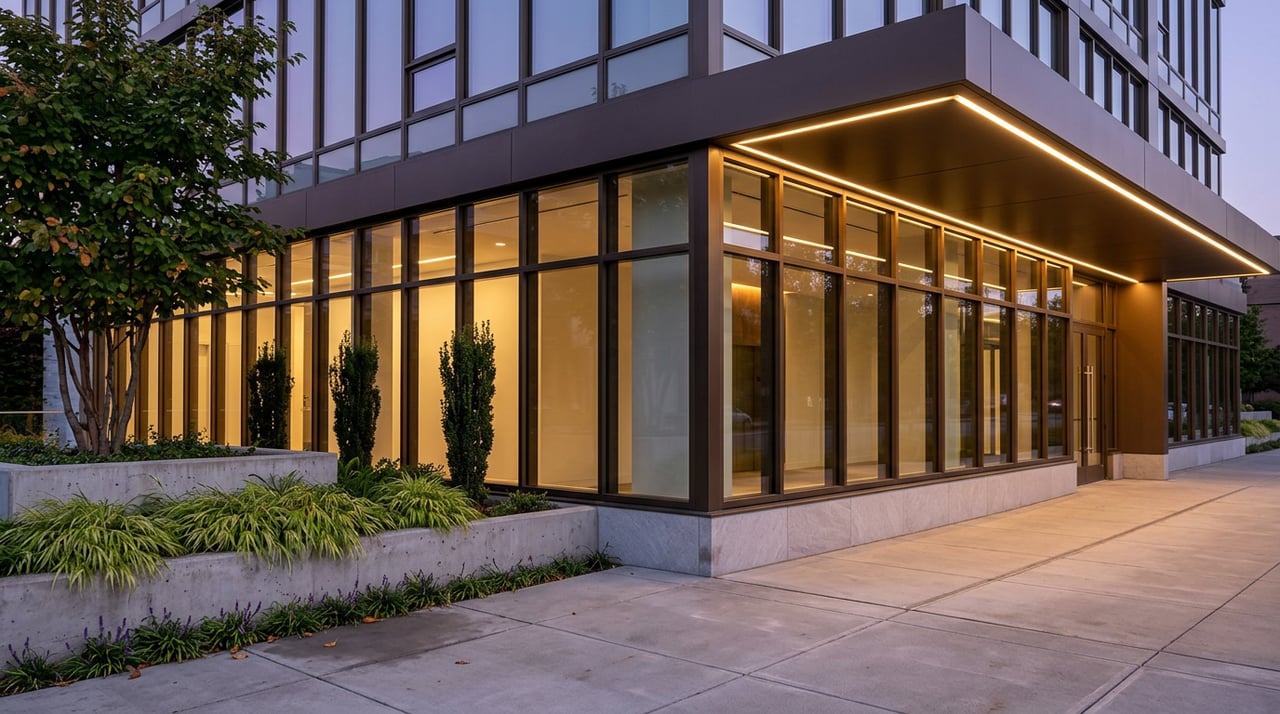
If your goal is lower-maintenance urban living, Germantown offers several examples of contemporary attached housing. Aster, located at 1414 3rd Ave. N., markets 70 condominium residences as a classically modern project in historic Germantown. That kind of project speaks to buyers who want updated finishes and a more lock-and-leave setup within a neighborhood known for its older architectural fabric.
Townhome options also reinforce that story. Gramercy is a 10-unit development of three-story townhomes with rooftops and garages, delivered in 2018 and described as a modern interpretation of Flemish architecture. Tennyson Germantown similarly highlights features like chef’s kitchens, rooftop terraces, and two-car garages, paired with a low-maintenance lifestyle.
Taken together, these projects show why Germantown can work so well if you want historic surroundings without taking on the full maintenance burden of a detached historic home. That does not mean every property will feel the same. It means the neighborhood has a broader range of choices than many buyers expect.
Who Germantown May Suit Best
Germantown often makes sense for buyers who want an urban lifestyle with a more established street pattern and neighborhood feel. Visit Nashville presents it as a walkable historic neighborhood with baseball, brunch, bars, acclaimed restaurants, a Farmers’ Market, and museums. That combination creates a different experience from areas more centered on nightlife or high-rise living.
If you have also been looking at Downtown or The Gulch, the contrast is helpful. Downtown is more tied to the music and entertainment core, while The Gulch is described as a walkable community with boutique hotels, high-rise condos, murals, and varied dining. Germantown tends to appeal to buyers who want to stay close to downtown Nashville while living in a setting that feels more residential and historically rooted.
This can be especially attractive if you value being able to step out for dinner, walk to a game, or spend part of the weekend at a market or museum without committing to the pace or profile of a pure high-rise district. For many buyers, that balance is the sweet spot.
Everyday Lifestyle in Germantown
A neighborhood is not just about the home itself. It is also about how your day-to-day life feels once you are there. Germantown has built a strong identity around walkability and neighborhood-scale activity, and that shows up in both its local destinations and its public spaces.
Dining is a major part of the draw. Visit Nashville highlights patio-friendly spots such as 5th & Taylor, Henrietta Red, Pelato, and Von Elrod’s. The area is also known for established restaurants like Rolf and Daughters, which emphasizes hyper-seasonal cooking and an in-house pasta program, and 5th & Taylor, which focuses on refined American fare.
The neighborhood’s momentum is still active, not frozen in time. Visit Nashville’s March 2026 announcement of Indaco signals that new concepts continue to choose Germantown. For buyers, that matters because it suggests the area remains relevant as a dining and lifestyle destination within Nashville’s broader urban core.
Cultural Anchors Add Depth
Germantown offers more than a strong restaurant scene. Nearby anchors include First Horizon Park, home of the Nashville Sounds, the Nashville Farmers’ Market, the Tennessee State Museum at Bicentennial Mall, and Bicentennial Capitol Mall State Park. These are the kinds of destinations that can make your routine feel fuller without requiring a long drive or a carefully planned outing.
Bicentennial Capitol Mall State Park adds another layer of local identity. Opened in 1996 as a monument to Tennessee’s bicentennial, the park includes history-focused features such as the Pathway of History and related memorials. That civic presence helps reinforce Germantown’s connection to Nashville’s broader story.
The Historic Germantown Neighborhood Association also promotes a public-art initiative, a small-grant program, the Germantown Art Walk, and the area’s arboretum identity. The neighborhood is tied to more than 100 species of trees, which adds a softer visual character that many buyers appreciate when they first start walking the area.
What Buyers Should Understand About the Historic Overlay
Before you buy in Germantown, it helps to know what historic zoning does and does not do. Metro’s guidelines make clear that the overlay focuses on exterior design review rather than replacing the base zoning. In simple terms, the district is intended to preserve the neighborhood’s visual character while allowing development that fits within that context.
That matters most if you are comparing an older property with a newer condo or townhome. In a newer attached residence, many exterior concerns may be more limited from your day-to-day perspective, depending on the property and ownership structure. In an older home or a property you plan to modify, the design review framework may play a bigger role in your decision-making.
This is one reason it helps to buy with a clear strategy. Some buyers are drawn to original character and are comfortable with added complexity. Others want the look and location of Germantown with a more streamlined ownership experience.
Low-Maintenance Appeal Is Real
For many buyers, the core question is simple: can you enjoy Germantown’s character without signing up for constant upkeep? In many cases, yes. The neighborhood’s mix of condos, townhomes, and newer infill gives you options that may feel more manageable than a detached historic property.
That low-maintenance appeal also connects to the area’s location and mobility. Metro’s North Nashville bikeway planning includes Germantown, with projects aimed at safer biking, safer street crossings, slower traffic, and public art in streetscape space. If you are aiming for a more car-light lifestyle, those kinds of infrastructure improvements support the neighborhood’s broader appeal.
This does not mean every buyer should choose newer construction over an older home. It means Germantown offers flexibility. You can prioritize design, convenience, outdoor space, garage parking, or lock-and-leave ease while still buying into a neighborhood with real history.
How to Approach a Germantown Search
If you are seriously considering Germantown, it helps to narrow your search around lifestyle first and finishes second. The neighborhood includes historic homes, newer condos, and modern townhomes, so your daily preferences should guide the property type you target. Start by asking yourself how much maintenance, parking, outdoor space, and walkability matter to you.
A few smart questions to keep in mind include:
- Do you want a condo, townhome, or detached home?
- How important are features like a garage, rooftop terrace, or newer systems?
- Are you looking for a lock-and-leave residence or a longer-term primary home?
- How much exterior project oversight are you comfortable with?
- Which nearby amenities do you expect to use regularly?
For buyers interested in urban luxury, presale opportunities, or distinctive attached residences near downtown, local guidance can make a real difference. Inventory, design standards, and neighborhood fit all matter here, and Germantown rewards a more curated search than a broad one-size-fits-all approach.
If you are exploring Germantown and want a polished, strategic perspective on condos, townhomes, or other near-downtown opportunities, Kate Giarratana can help you evaluate the right fit with the kind of boutique guidance high-value purchases deserve.
FAQs
What makes Germantown different from Downtown Nashville?
- Germantown is generally known as a walkable historic neighborhood with restaurants, the Farmers’ Market, museums, and nearby baseball, while Downtown is more centered on Nashville’s music and entertainment core.
What kinds of homes can you buy in Germantown?
- Germantown includes a mix of historic homes, newer condominiums, modern townhomes, and mixed-use residential options within a historic district context.
What does historic zoning mean for Germantown buyers?
- In Germantown, historic zoning is administered by the Metropolitan Historic Zoning Commission, focuses on exterior design review, and requires a preservation permit before a building permit.
Are there modern condos in Germantown?
- Yes. Examples in the neighborhood include Aster’s condominium residences and townhome developments such as Gramercy and Tennyson Germantown.
Is Germantown a good fit for low-maintenance living?
- It can be, especially if you are considering newer condos or townhomes that offer a more turnkey ownership experience than a detached historic home.
What amenities are near Germantown homes?
- Nearby amenities include restaurants, patio dining, First Horizon Park, the Nashville Farmers’ Market, the Tennessee State Museum, and Bicentennial Capitol Mall State Park.