Looking at condos near Vanderbilt and wondering if Midtown or Music Row fits your lifestyle best? You are not alone. These two Nashville hotspots sit side by side, yet day-to-day living can feel very different once you factor in building style, service levels, and the rhythm of each street. In this guide, you will learn how amenities, HOA costs, noise, parking, and pet policies vary so you can choose with confidence. Let’s dive in.
Midtown vs. Music Row snapshot
Midtown centers around West End and 21st Avenue with easy access to Vanderbilt and Centennial Park. You will find a strong mix of dining and nightlife, frequent foot traffic, and a lively evening scene. Music Row stretches mainly along 16th and 17th Avenue South and is rooted in the music industry. It often feels quieter after business hours yet stays within a short walk of Midtown, the Gulch, and downtown.
- Walkability: Both areas are highly walkable, with many daily needs within a 5 to 20 minute walk depending on the building.
- Transit and bikes: Local bus routes and micro-mobility options are common along the central corridors. You can check current routes and schedules with the city’s transit provider.
- Vibe: Midtown leans energetic in the evenings. Music Row is more business-by-day and calmer at night, while still close to major venues and restaurants.
Building types shape your lifestyle
What you experience in the lobby and on the amenity deck often matters more than the address alone. In this pocket of Nashville, you will see three broad building types:
- Luxury high-rises: Newer towers with full-service management, expansive amenity decks, 24/7 concierge, and valet options. Expect higher HOA fees in exchange for convenience and resort-style spaces.
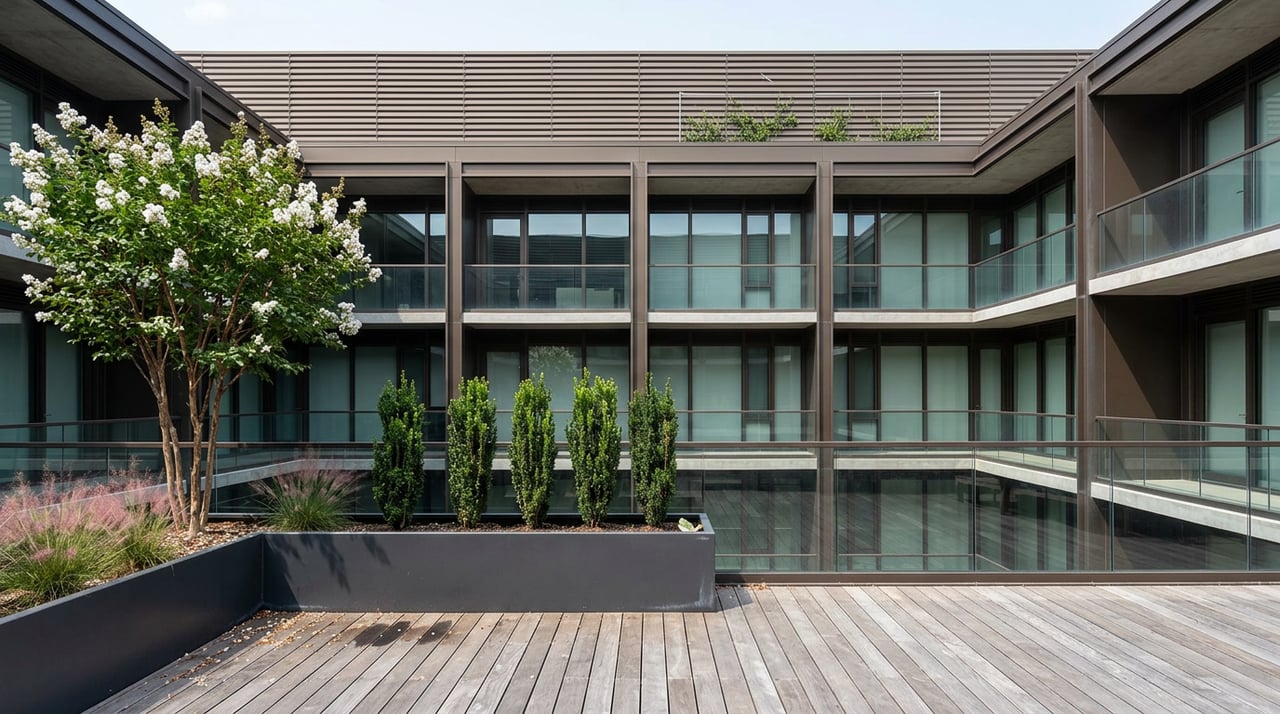
- Boutique mid-rises: Smaller buildings with fewer shared amenities. You might find a compact fitness room or rooftop terrace, with lower monthly fees and less staff presence.
- Adaptive reuse and lofts: Character-rich spaces with exposed brick or high ceilings. Amenities tend to be limited, which keeps HOAs lighter while putting the neighborhood’s gyms and services in the spotlight.
If you want hotel-style services, luxury high-rises clustered around Midtown and the West End corridor often deliver the most. If design and lower fees come first, Music Row’s boutique options can be appealing.
Amenities that make a difference
Amenity lists vary by building, but a few categories deserve extra attention during tours and HOA reviews.
Fitness and wellness
- Luxury towers typically offer large fitness centers, separate cardio and strength zones, and sometimes studio space for classes. Some add locker rooms with steam or sauna.
- Boutique buildings often have a smaller gym or a simple room with essentials. Rooftop yoga nooks or partnerships with local studios are more common than on-site spa services.
- What to ask: size of the fitness center, equipment list, hours, guest policy, and whether classes or training sessions are included or fee-based.
Concierge and services
- Full-service towers commonly provide 24/7 front desk coverage, package handling, guest screening, and event room coordination.
- Boutique buildings may have part-time on-site management on weekdays with limited package assistance.
- Consider how you live day to day. If you travel often or receive frequent deliveries, staffed support can be worth the premium.
Rooftops, pools, and lounges
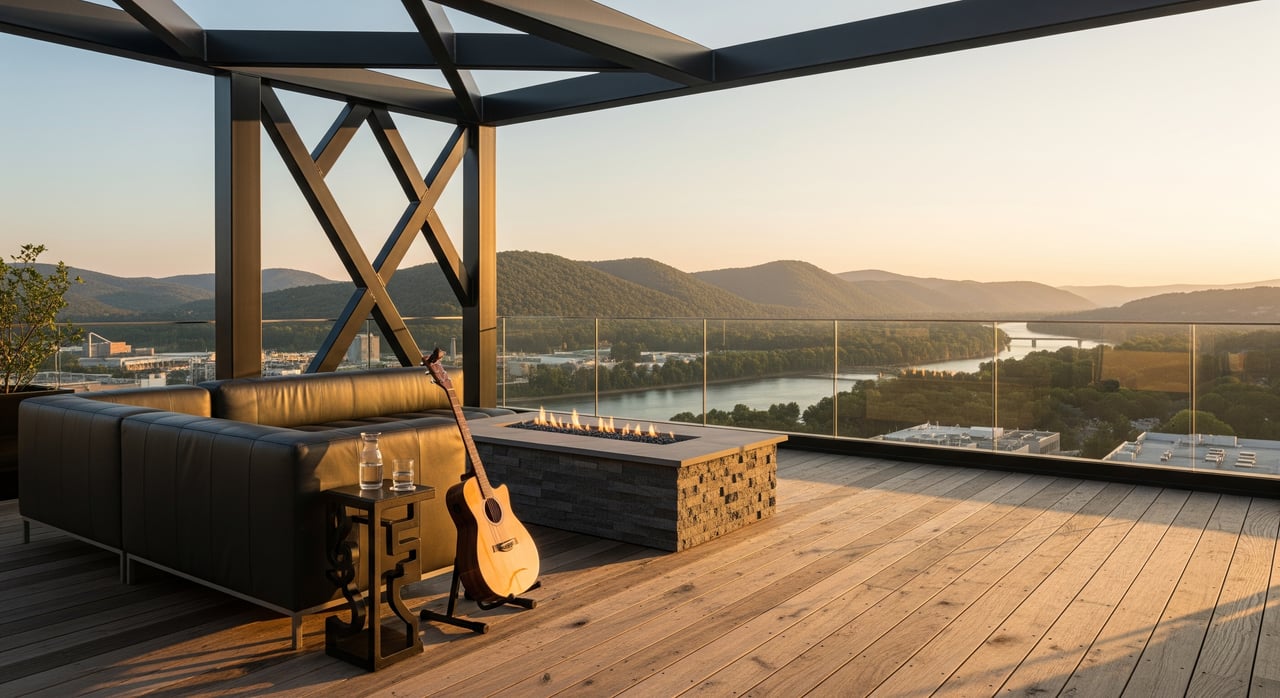
- Rooftop lounges and pools are a signature offering in many luxury towers, often with skyline views and reservable spaces for entertaining.
- Boutique buildings may provide a terrace or courtyard without a pool, which reduces maintenance costs and HOA burden.
Mail and secure deliveries
- Larger buildings are moving toward staffed package rooms or smart lockers. Smaller buildings may rely on in-unit delivery or off-site lockers.
- Ask about package volume limits or oversized delivery procedures if you receive large shipments.
Storage and bike facilities
- Storage lockers and bike rooms are common in newer towers. Some add bike repair stations and controlled-access storage.
- Older or conversion buildings may have limited storage, so plan for in-unit solutions if needed.
Service level vs. HOA: finding your balance
HOA fees reflect the services you enjoy. In high-rises, your monthly fee often supports staffed concierge, robust amenities, and comprehensive building insurance and utilities in common areas. In boutique buildings, fees can be lower, but you will likely rely on nearby gyms and services outside the building.
Before you make an offer, request the HOA budget, reserve study, and recent meeting minutes. Confirm what your fee covers, whether there are planned capital projects, and if special assessments are on the horizon. Strong reserves and clear planning help protect value.
Parking and EV readiness
Parking varies more than you might expect.
- Luxury towers: Typically include assigned, secure garage spaces, with guest parking or valet options. EV charging is increasingly available, though the number of ports can be limited.
- Boutique buildings: May offer deeded or unassigned spots with tighter guest parking. Some buildings rely on street parking rules.
Ask whether spots are deeded or assigned, if they transfer on resale, and how many vehicles are allowed. If you drive an EV or plan to, confirm the number of existing chargers and whether adding a dedicated port is possible and permitted by the HOA.
Pet policies and pet perks
Most buildings in these neighborhoods are pet-friendly with rules. Weight and breed limits vary by HOA, and some buildings require deposits or monthly pet fees. Luxury towers may feature on-site dog runs or grooming stations. Boutique buildings might lack dedicated pet amenities but still welcome pets.
Review pet rules in the HOA bylaws, including elevator etiquette, outdoor relief areas, and any restrictions for common spaces. Also check for nearby parks and off-leash areas to round out your routine.
Noise, construction quality, and comfort
Midtown’s nightlife can bring late-night energy, especially near bars and venues. Music Row tends to be quieter after business hours, with daytime activity tied to studios and offices. Building construction and design matter just as much as the street.
- Concrete and steel construction usually reduces sound transmission compared with wood framing.
- Double-paned windows, door seals, and hallway design affect how much noise reaches your home.
- Ask about recent soundproofing upgrades and check for evening noise during your tour. If possible, visit on a weekend and at night to hear the difference yourself.
Walkability, transit, and everyday convenience
Both areas rank high for walkability. You will often be within a short walk of restaurants, coffee, groceries, and Vanderbilt. For public transit, routes along West End and other central corridors provide connections to downtown and beyond. If cycling or scooters are part of your routine, look for buildings with secure bike storage and access to bike lanes nearby.
When comparing two condos with similar finishes, the daily convenience of the block can be the tiebreaker. A few extra minutes on foot to your favorite spots can change how often you use them.
Lifestyle fit: choosing your rhythm
- Choose Midtown if you want a lively, entertainment-forward environment, easy access to an active dining scene, and more options for full-service, high-rise living.
- Choose Music Row if you prefer a calmer street feel after business hours, easy access to studios and creative offices, and boutique buildings with lower-fee profiles.
Your perfect match comes down to how you spend your evenings, how much service you want in the building, and your tolerance for street activity.
Your condo comparison checklist
Use this list as you tour buildings and review HOA documents:
- Building basics: year built, number of units, construction type, floor location, and view corridors that could be affected by future development.
- Amenities and services: concierge hours, valet availability, fitness center size and equipment, sauna or steam, pool, rooftop access, event spaces, package rooms, storage, and bike facilities.
- Parking details: number of spaces, deeded vs. assigned, guest parking policies, EV charger availability, and rules for additional vehicles.
- Pets: allowed or not, size or breed limits, deposits or fees, on-site pet amenities, and nearby outdoor areas.
- HOA and governance: current fees and coverage, reserve study, board meeting minutes, special assessment history, rental and short-term rental rules, and any ongoing or past litigation.
- Noise and comfort: window type, recent soundproofing improvements, typical evening noise levels, and security features like controlled access and lighting.
- Insurance and risk: what the master policy covers, your expected HO-6 needs, and flood zone checks when applicable.
How to compare two great options
When you find yourself split between a Midtown tower and a Music Row boutique, stack them side by side on the factors that matter most to you. Many buyers focus on three anchors: service level, noise profile, and parking. If you want hotel-like support, the tower will likely win. If calm nights and lower monthly costs are key, the boutique building may be the better fit. Parking and EV readiness can be the tiebreaker.
If investment potential is part of your plan, review rental restrictions and short-term rental rules carefully. Buildings that limit rentals can support long-term stability but reduce investor flexibility. Balance your lifestyle priorities with your ownership goals.
The bottom line
Midtown and Music Row both deliver an urban Nashville lifestyle with walkable access to restaurants, venues, and Vanderbilt. The biggest difference is not the map, it is the building you choose. Midtown tends to concentrate full-service, luxury towers. Music Row leans boutique and quieter after hours. Match the building’s services, noise profile, parking, and pet policies to your daily life, and you will land in the right place.
Ready to compare a short list and review HOA packets before you decide? Reach out to Kate Giarratana for a private, concierge-level consultation tailored to your goals.
FAQs
What are the key lifestyle differences between Midtown and Music Row?
- Midtown is energetic in the evenings with dense dining and nightlife, while Music Row is typically calmer after business hours yet still walkable to major entertainment areas.
How do HOA fees typically differ between towers and boutique buildings?
- High-rise towers often have higher HOAs that include concierge and extensive amenities, while boutique buildings usually carry lower fees with fewer in-building services.
What should I check about parking before making an offer?
- Confirm whether spaces are deeded or assigned, the guest parking policy, EV charger availability, and if parking transfers on resale or has limits on additional vehicles.
How can I evaluate noise levels in a specific condo?
- Visit at night and on weekends, ask about window type and construction, and review any recent soundproofing improvements or noise-related notes in HOA minutes.
Are most buildings in these neighborhoods pet-friendly?
- Many allow pets with rules; verify size or breed limits, required deposits or fees, and whether on-site pet amenities like a dog run or wash station are available.