Buying new construction in 12 South can look simple on the surface: fresh finishes, modern layouts, and the appeal of being close to one of Nashville’s most recognizable neighborhood corridors. But in this part of Davidson County, a new home is rarely just a plug-and-play purchase. You are often buying into a very specific lot, street, and permit story. This guide will help you understand what to look for before you write an offer, so you can make a smarter decision with more confidence. Let’s dive in.
Why 12 South New Construction Is Different
12 South is better understood as a neighborhood brand and planning area than a single fixed boundary. Metro notes that neighborhood boundaries are advisory, and the 12 South Neighborhood Association serves the area between Wedgewood Avenue and Gale Lane. That means two homes marketed as being in 12 South can have very different parcel-level rules depending on the block.
That matters because new construction here is usually not happening in a large master-planned community. In many cases, it is infill development on a constrained urban lot, often shaped by the surrounding homes, street pattern, and local design standards. You are not just choosing a house. You are choosing how that house fits into a very established neighborhood fabric.
Expect Infill, Not Wide-Open Lots
In 12 South and the broader Waverly-Belmont area, the housing story is rooted in early 20th-century homes like bungalows, cottages, Folk Victorians, and Craftsman-influenced designs. Metro historic materials note that since around 2005, many new homes in the area have followed the demolition of older homes, though some vacant lots remain. As a result, many new builds sit on narrow or constrained parcels rather than oversized lots.
For you as a buyer, that often means making tradeoffs. A new home may offer more interior square footage and updated finishes, but with less yard space, tighter setbacks, and closer neighboring structures. Garage placement, parking layout, and outdoor privacy can feel very different here than they would in a suburban new-build community.
Learn the Parcel Rules Early
One of the biggest mistakes buyers make is assuming that the neighborhood name tells the whole story. In 12 South, parcel-level rules can change from block to block. Metro’s corridor planning and overlay standards can regulate things like setback, height, lot coverage, access, garages, and parking.
Before you get too far into a deal, confirm the exact zoning and ask whether the property falls within a contextual overlay or an urban design overlay. Metro says contextual overlays can set standards for setback, height, lot coverage, access, garages, and parking. Metro also says urban design overlays can regulate building placement, density, materials, streetscape elements, landscaping, buffering, and parking-related features.
Understand the 12 South Design Context
The 12th Avenue South Corridor Detailed Neighborhood Design Plan is meant to guide growth, development, and preservation on a parcel-by-parcel basis. Metro planning materials say the corridor should remain livable and walkable while preserving existing housing stock and single-family character on adjacent residential streets. That planning goal shapes the feel of many new construction opportunities in the area.
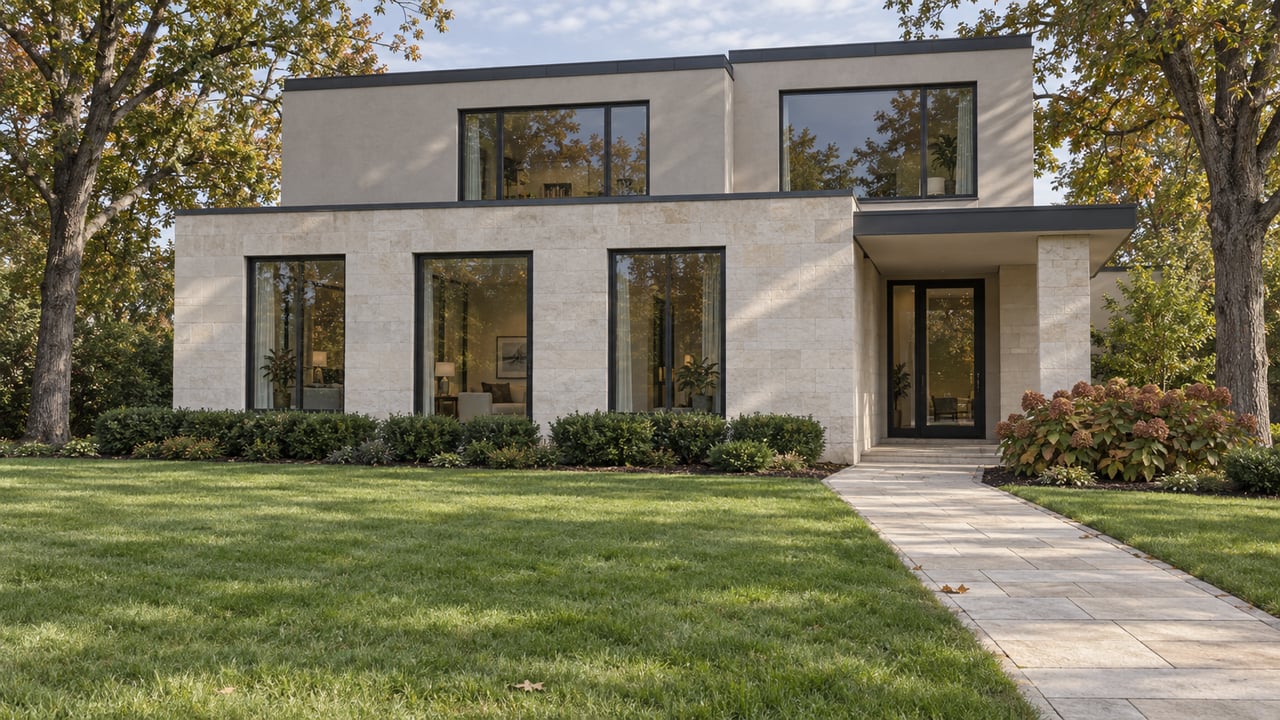
A well-designed new home in 12 South does not have to copy an older house exactly. But it usually performs best when it respects the scale of nearby homes and the rhythm of the street. As you tour homes, pay attention to roofline, porch depth, window placement, material quality, and how the garage is handled on the lot.
Compare Street Appeal and Privacy
In 12 South, location within the neighborhood can change your day-to-day experience more than buyers sometimes expect. A home closer to 12th Avenue South often gives you easier access to shops, dining, and the corridor’s walkable feel. At the same time, it may come with more street activity, more traffic noise, and less visual privacy.
A home tucked deeper into a residential side street may feel quieter and more removed from the corridor. But that can also reduce the immediate walk-everywhere convenience that draws many buyers to 12 South in the first place. The right choice depends on how you want to live, not just how the finishes look on showing day.
Parking Can Be a Real Quality-of-Life Issue
Parking deserves more attention than buyers often give it at first glance. Metro’s transportation work along 12th Avenue South added protected bike lanes, safer crossings, bus-stop improvements, and repaving, all in support of a more walkable corridor. Project documents also note areas with houses facing the avenue and consistent street parking, while Metro’s neighborhood parking outreach shows enough parking pressure in the area to prompt community feedback.
That means you should ask very direct questions about parking before making an offer. Find out how many parking spaces are legal, where they are located, and how they are accessed. If curb parking matters to you or your guests, spend time on the block at different times of day to understand how the street actually functions.
Verify the Permit Trail
With new construction in 12 South, permit review is not a box to check casually. Metro’s permit process begins with zoning review and moves through building permits, inspections, and finally a Use and Occupancy Letter. Metro also notes that many projects require signoffs from multiple agencies, including planning, transportation, stormwater, water and sewer, health, fire life and safety, and historic review.
This is why permit verification should be part of your core due diligence. Ask for the permit number and confirm the project’s progress through Metro’s ePermits system. On infill lots near older homes or corridor edges, this step can help you better understand whether the project is moving properly through the review and inspection process.
Ask Better Questions Before You Offer
A polished kitchen and beautiful staging can distract from the questions that matter most. In 12 South, you want clear answers about the lot, approvals, parking, and privacy, not just a finish sheet.
Here are smart questions to ask the builder or listing side:
- What is the exact parcel zoning?
- Is the property subject to a contextual overlay, urban design overlay, or historic review?
- What permit number covers the work?
- Has the home passed rough-in, framing, and final inspections?
- Is there a pre-drywall inspection window?
- Where are the easements, drainage paths, and utility runs?
- How many parking spaces are legal, and how are they accessed?
- What privacy should you expect from neighboring windows, decks, and the street?
Independent Inspections Still Matter
Many buyers assume a new home needs less scrutiny than a resale. In reality, independent inspections are still very important. ASHI notes that phased new-construction inspections can include foundation and framing inspections before drywall, followed by a final inspection before closing.
That matters even more in an infill setting like 12 South. Site work, grading, drainage, and utility tie-ins to surrounding lots can be just as important as cabinetry, appliances, or paint. If you have the opportunity for a pre-drywall inspection, take it seriously.
Match Your Financing Timeline to the Build
New construction often comes with moving timelines that are less predictable than a typical resale closing. Because builder schedules can shift, it helps to compare financing options carefully and understand how timing affects your costs. CFPB advises buyers to request Loan Estimates from multiple lenders and compare interest rate, monthly payment, closing costs, and whether the rate is locked.
For you, the practical takeaway is simple: do not treat financing as a last-minute step. A strong financing plan should work with the builder’s timeline, not against it. If completion timing changes, you want to know how that affects your rate, your closing window, and your overall cash needs.
New Build vs. Renovated Cottage
In 12 South, buyers are often choosing between two very different experiences: a newly built home or a renovated older cottage. The older housing stock brings established architecture, smaller footprints, and a layered streetscape that many buyers love. A new home may offer more open living space, updated systems, and a layout designed for modern daily life.
Neither option is automatically better. The better fit depends on what matters most to you. If you value turnkey systems and contemporary flow, new construction may be the better match. If you are drawn to original scale, porches, and a more established street presence, a renovated cottage may feel more aligned with your goals.
The Real Decision Is Lifestyle Fit
The biggest choice in 12 South is not just old versus new. It is how you want to relate to the street, the lot, the parking situation, and the neighborhood’s character. The right purchase usually comes from looking beyond finishes and focusing on how the property actually lives.
If you take the time to confirm parcel rules, review the permit trail, inspect the home carefully, and think through privacy and parking, you will be in a much stronger position to buy well. In a neighborhood as layered as 12 South, that extra diligence can make all the difference.
If you are considering new construction in Nashville and want a more tailored, high-touch buying strategy, Kate Giarratana offers boutique guidance designed to help you evaluate opportunity, timing, and long-term fit with clarity.
FAQs
What makes new construction in 12 South different from a suburban new-build community?
- New construction in 12 South is often infill on a constrained lot, which can mean tighter setbacks, less yard space, more parking considerations, and more parcel-specific design rules.
What should buyers check before buying a new construction home in 12 South?
- You should confirm the property’s zoning, ask about overlays or historic review, verify the permit number and inspection status, and review parking, drainage, easements, and privacy conditions.
Why do parcel rules matter for a 12 South new build?
- Metro treats neighborhood boundaries as advisory, and parcel-level rules can vary by block, so two homes marketed in 12 South may be subject to different development standards.
Is parking a concern when buying a new home in 12 South?
- Yes. Parking pressure has been significant enough in the area to prompt Metro parking outreach, so you should verify legal parking spaces and understand curb parking conditions on the block.
Do buyers still need an inspection on a new construction home in 12 South?
- Yes. Independent phased inspections can help identify issues with framing, site work, grading, drainage, and other hidden problems before closing.
How should buyers compare financing for new construction in 12 South?
- Request Loan Estimates from multiple lenders and compare the rate, monthly payment, closing costs, and rate-lock details, especially since builder timelines can shift.