If you are picturing Leiper’s Fork as just a pretty stop on a weekend drive, you are only seeing part of the story. For many buyers, the real question is what daily life feels like once the visitors head home and the pace settles in. If you are curious about the rhythm, setting, and social fabric of this well-known Williamson County village, this guide will help you understand what living here is really like. Let’s dive in.
Leiper’s Fork feels intentionally slower
One of the first things you notice about Leiper’s Fork is that it does not move like a typical suburb. Williamson County’s zoning and planning documents make it clear that the village is meant to preserve a small-town character, keep development in scale with the historic core, and protect open space and natural resources.
That planning shows up in everyday life. The village core is compact and mixed-use, weekend foot traffic tends to increase, road speeds are posted below 35 mph, and sidewalks and crosswalks are limited. In practice, that means you are living in a place where people often slow down, look around, and expect a more relaxed rhythm.
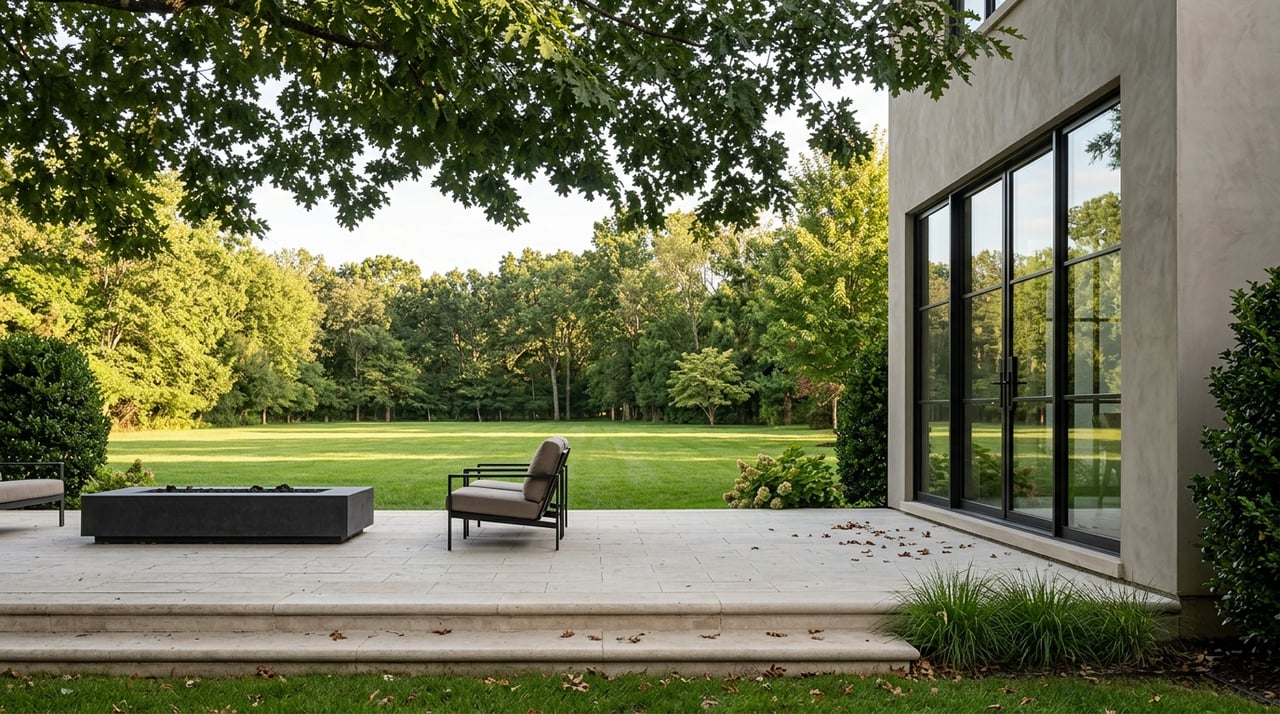
The setting around the core shapes that experience too. County planning documents describe residential and agricultural land, along with open space, surrounding the center of the village. Instead of feeling built out, Leiper’s Fork reads more like a rural village with a defined heart and a scenic backdrop.
The village center is small but active
Leiper’s Fork is not about endless errands in one shopping corridor. It is about having a compact central area where art, music, dining, and local gathering all overlap in a way that feels personal and easy to revisit.
Visit Franklin describes the village as a small, artsy community just outside downtown Franklin and about a 40-minute drive southwest of Nashville. That location is part of the appeal. You are close to larger city conveniences, but your day-to-day surroundings feel quieter and more tucked away.
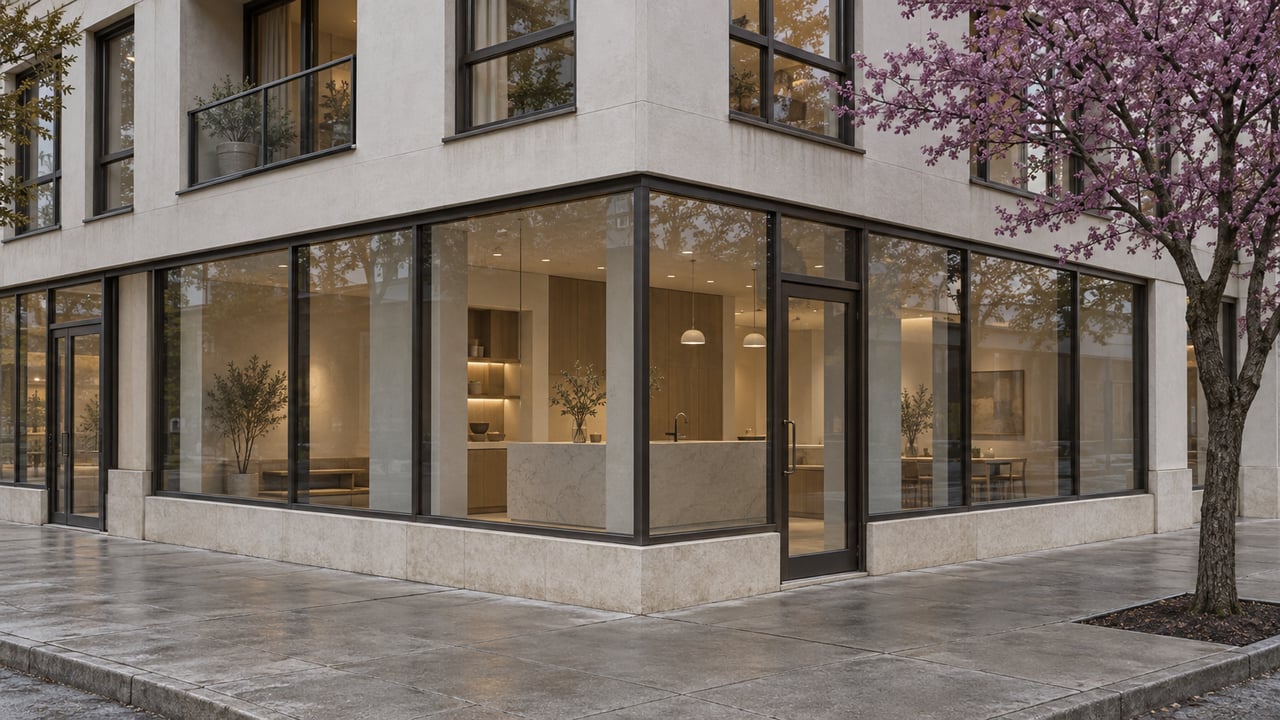
The core itself supports a mix of uses. Williamson County describes it as a vibrant mixed-use center with retail, restaurants, offices, and single-family residences. That mix gives the area life without making it feel busy in an urban sense.
Arts and music are part of the routine
In some places, arts and music show up only during special events. In Leiper’s Fork, they are part of the identity of the village. Visit Franklin highlights galleries, antiques, and live music as central pieces of the local experience, not side attractions.
Fox & Locke is one of the clearest examples. Its site notes that live music became part of the venue in 2002, and the Thursday open mic has grown into a signature part of village life. That kind of recurring tradition helps explain why the area feels culturally active even though the footprint is small.
The visual arts presence is also unusually strong for a village of this size. Leiper’s Creek Gallery describes itself as a destination for collectors and art enthusiasts for more than two decades, with regular shows and events. The Copper Fox showcases work from more than 90 artists across the Southeast, and David Arms’ studio adds another well-known creative space to the mix.
For everyday living, that means creativity is visible. You are not driving somewhere else to find the cultural layer of the community. It is already woven into storefronts, porches, studios, and regular village routines.
Community events keep the calendar lively
Leiper’s Fork may feel quiet, but it is not inactive. Visit Franklin points to recurring events like Pickin’ Leiper’s Fork, ForkFest, holiday markets, and art shows, while county planning documents mention outdoor movies, festivals, and concerts as part of village life.
That balance matters if you are thinking about year-round lifestyle. You get the calm of a smaller place, but there are still moments on the calendar that bring people together. The village can feel especially animated during event weekends, while still returning to a gentler pace afterward.
Families and long-time residents often use shared public spaces as part of that rhythm. Fox & Locke notes that the Leiper’s Fork Lawnchair Theatre hosts free family-friendly summer movies, which adds another simple, seasonal gathering point to the local routine.
Food and drink are social anchors
A lot of places have restaurants and coffee stops. In Leiper’s Fork, food and drink play a bigger role in how people spend time. The experience is often less about grabbing something quickly and more about lingering, listening to music, or catching up with neighbors and friends.
Visit Franklin describes Fox & Locke as a place for Southern breakfast, lunch, and dinner, as well as a major live music stop. The Country Boy Restaurant is noted as a local breakfast favorite, and RedByrd serves as a coffee stop when you want something quick and simple.
Beyond the village center, Leiper’s Fork Distillery adds another social layer. Visit Franklin describes tours and tastings in a restored 1829 log home, while the distillery says it sits on 27 scenic acres just outside the village and follows a small-batch, grain-to-glass approach. Crown Winery contributes to that same relaxed pattern with creekside tastings and an outdoor setting built for gathering.
If you are deciding whether the area fits your lifestyle, this is an important point. Leiper’s Fork is not centered on speed or volume. It is centered on places where people tend to stay a little longer.
Daily life includes a strong rural backdrop
Even when you are in the village center, the countryside is never far away. County planning documents say open space and conservation easements form much of the village boundary, helping preserve the undeveloped feel around the community.
That preserved landscape changes how everyday routines feel. A short drive can include hills, agricultural land, and quieter roads instead of long commercial corridors. The contrast between the active village core and the surrounding countryside is one of the defining features of living here.
The Natchez Trace Parkway adds to that sense of place. The National Park Service describes it as a 444-mile scenic drive designed for relaxed travel through forests and agricultural land, and Fox & Locke notes that the village sits near the top of the parkway. For residents, that means scenic drives and outdoor-minded escapes can feel close at hand rather than like a special occasion.
The community center adds everyday utility
One of the most practical anchors in Leiper’s Fork is the Hillsboro-Leiper’s Fork Community Center. Williamson County describes it as a former school campus that now includes recreation uses, a public library branch, a senior center, a gym, a fitness center, youth fields, a playground, a pavilion, and a walking trail.
That matters because it gives the area an everyday-use hub beyond shops and restaurants. Whether you are looking for library access, space for recreation, or simple outdoor time, the campus supports a range of daily routines in one place.
For buyers considering a move, this is one of the details that helps translate charm into function. Leiper’s Fork is known for atmosphere, but it also has practical community infrastructure that supports regular life.
What buyers should realistically expect
The biggest lifestyle distinction is that Leiper’s Fork is not trying to be all things to all people. Its appeal comes from preserved rural scenery, creative energy, and a compact village center, not from the convenience pattern you might expect in a larger suburban area.
That can be a major advantage if you want privacy, character, and a slower cadence without feeling fully remote. Visit Franklin places the village just outside Franklin and about 40 minutes from Nashville, which helps create that retreat-like quality while keeping two larger hubs within reach.
It also helps to know that the village core is pedestrian in spirit but not built like a dense walkable downtown. County documents note limited sidewalks and crosswalks, along with slower roads and a compact layout. In everyday terms, you may enjoy strolling the village, but your overall lifestyle here still depends on embracing a rural setting.
Why Leiper’s Fork appeals to so many buyers
For some buyers, Leiper’s Fork represents a change of pace from city living. For others, it offers a more scenic and grounded alternative to conventional suburban patterns. The common thread is that people are usually drawn here for feeling as much as function.
You get a place where art galleries and live music exist alongside open land and quieter roads. You get community events without a constant sense of busyness. And you get access to Franklin and Nashville while coming home to a setting that feels distinctly separate from both.
If that balance sounds like what you are looking for, Leiper’s Fork can be a compelling fit. And if you want a clear, high-touch perspective on estate and lifestyle opportunities in Williamson County, Kate Giarratana offers boutique guidance tailored to buyers seeking exceptional properties and a more seamless search experience.
FAQs
What is daily life like in Leiper’s Fork, Tennessee?
- Daily life in Leiper’s Fork tends to feel slower, more scenic, and more community-oriented than a typical suburb, with a compact village core, regular arts and music activity, and open countryside surrounding it.
Is Leiper’s Fork close to Franklin and Nashville?
- Yes. Visit Franklin describes Leiper’s Fork as just outside downtown Franklin and about a 40-minute drive southwest of Nashville.
Does Leiper’s Fork have a walkable village center?
- The village core is compact and mixed-use, but Williamson County planning documents note that sidewalks and crosswalks are limited, so it feels more like a rural village than a dense walkable downtown.
What kinds of things do people do in Leiper’s Fork?
- Residents and visitors often spend time enjoying live music, galleries, community events, local dining, scenic drives, and public amenities like the Hillsboro-Leiper’s Fork Community Center.
Is Leiper’s Fork more rural or suburban?
- Leiper’s Fork generally feels more rural than suburban because the village center is surrounded by residential land, agricultural uses, open space, and conservation-focused areas.
Are arts and music important in Leiper’s Fork?
- Yes. Local sources describe Leiper’s Fork as a hub for art and music, with galleries, regular shows, live performances, and long-running traditions like Thursday open mic at Fox & Locke.