Trying to choose between Brentwood and Franklin? You are not alone. Both cities are highly sought-after Williamson County addresses, but they live very differently day to day. If you are weighing lifestyle, commute, price point, and long-term fit, this guide will help you compare the two with more clarity. Let’s dive in.
Brentwood vs. Franklin at a glance
At a high level, Brentwood and Franklin offer two distinct versions of suburban living in Williamson County. According to U.S. Census QuickFacts, Brentwood has 45,525 residents, while Franklin has 89,142, making Franklin the larger and denser city.
That difference often shows up in how each place feels. Brentwood tends to feel quieter, lower-density, and more residential. Franklin tends to feel busier, more built out, and more centered around a walkable historic core.
Home prices and inventory
For many buyers, budget is the first filter. Based on Zillow’s February 2026 market data, Brentwood’s typical home value was $1,367,356, compared with $904,529 in Franklin.
That means Brentwood’s typical home value was about 50.5% higher than Franklin’s at that snapshot. Zillow’s data also pointed to fewer homes for sale in Brentwood and a longer days-to-pending figure, which supports the view that Brentwood is generally the tighter, higher-cost market.
If you want the simplest comparison, think of Brentwood as the higher-priced, lower-supply option. Franklin often gives you a lower entry point and more available inventory, which can open up more choices across housing styles and price ranges.
Commute and regional access
Brentwood favors interstate access
If your routine regularly pulls you toward Nashville, Brentwood has a strong location advantage. The city notes that I-65 traverses Brentwood and Nashville International Airport is about 15 minutes away.
Census data shows Brentwood’s mean travel time to work is 25.7 minutes. For many buyers, that translates to a commute pattern built around fast access north toward Nashville and easy use of I-65.
Franklin supports local and regional movement
Franklin’s access story is a little different. The city describes itself as 20 miles south of Nashville, and Census data shows a mean travel time to work of 23.9 minutes.
Franklin also continues to invest in its transportation network, including Mack Hatcher Southeast, while its 2025 development reporting notes a free lunchtime shuttle between Downtown Franklin and The Factory at Franklin. In practical terms, Franklin often works well if your daily life is centered more within Franklin itself or across the south Williamson County corridor.
Lifestyle and daily feel
Brentwood feels park-oriented and residential
Brentwood describes itself as a predominantly residential community, with 90% of its acreage zoned residential. The city also reports 14 parks and eight greenway or green spaces totaling more than 960 acres of recreational land.
That creates a day-to-day feel that is often centered on neighborhoods, green space, and local convenience. If you want a quieter setting with a more subdivision-based pattern, Brentwood may feel like the better match.
Franklin feels historic and walkable
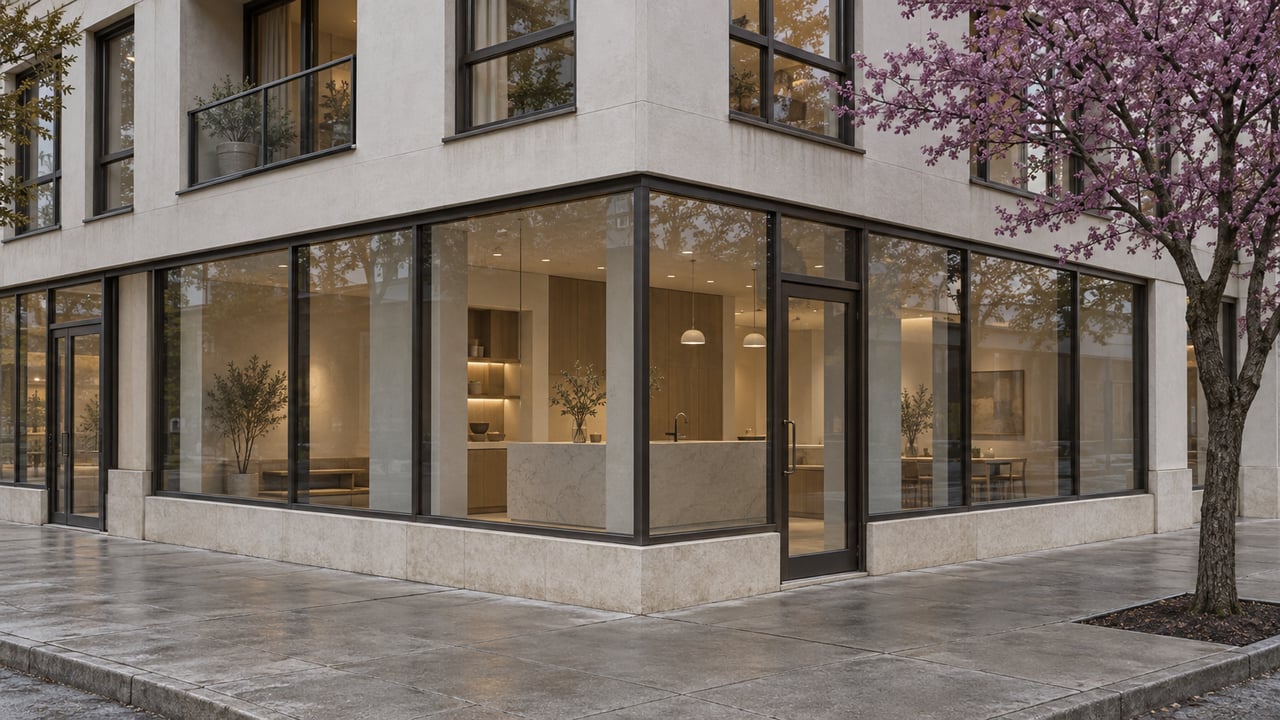
Franklin offers a different rhythm. The city highlights a 15-block historic downtown district with shops, restaurants, galleries, and historic buildings dating back to 1799.
Franklin also has over 900 acres of park land across 18 parks. If you are drawn to a more walkable downtown experience, frequent community events, and a broader mix of destinations within the city, Franklin often stands out.
Housing styles and lot sizes
Brentwood leans larger-lot and lower-density
Brentwood’s planning framework strongly favors lower-density housing. The city’s planning and zoning guide notes an overall residential density of one dwelling unit per acre, with some districts requiring one-acre or two-acre minimum lots and certain hillside areas requiring three-acre minimum lots.
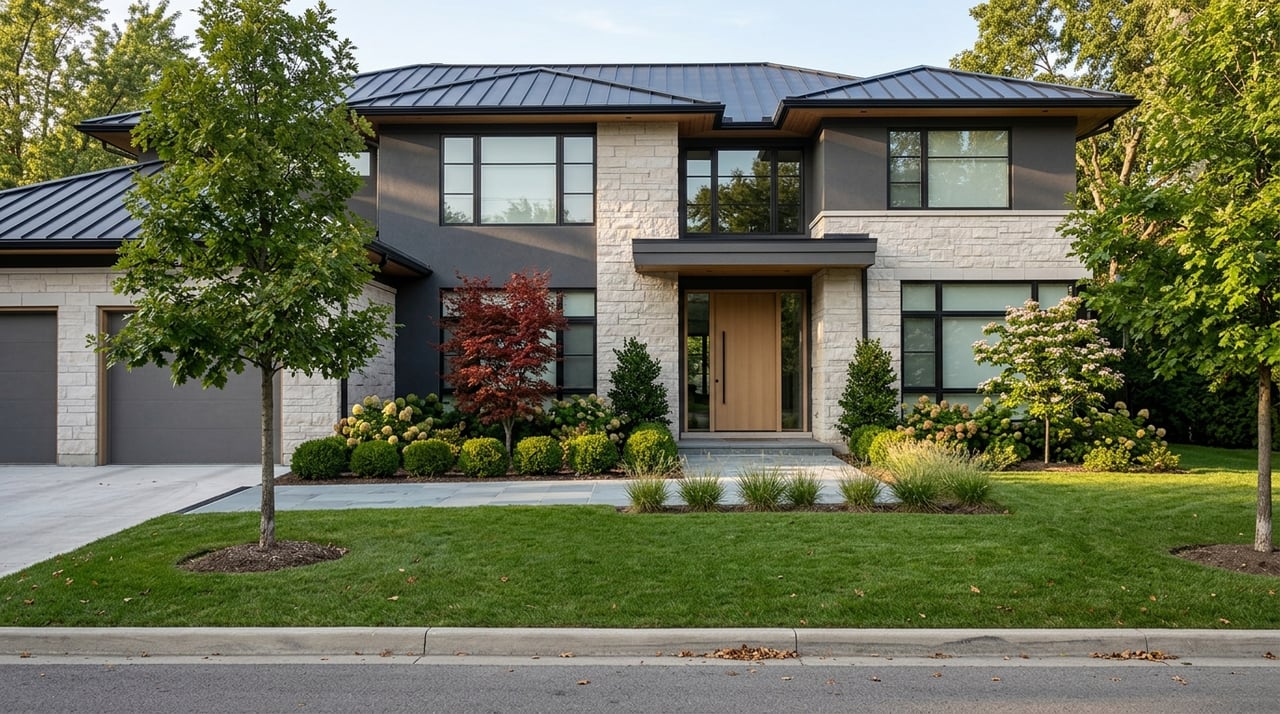
In plain terms, Brentwood often appeals to buyers looking for estate homes, more land, and a more consistent suburban housing pattern. If privacy, larger lots, and a lower-density setting are high on your list, Brentwood may check more boxes.
Franklin offers more housing variety
Franklin’s planning vision is broader. Envision Franklin outlines a goal of providing a wider range of housing options and price points, including historic residential, large-lot residential, compact residential, mixed residential, multifamily, townhomes, and mixed-use formats.
That broader mix can matter if you want flexibility. Franklin may give you more options if you are deciding between a historic home, townhome, newer neighborhood home, or another housing type within the same city.
Schools and zoning checks
If schools are part of your move, it is important to verify zoning by exact address, not just by city name. Williamson County Schools states that residents must live in Williamson County to attend the district and that school zones can change based on capacity.
The district offers an address-based zone lookup, which is the best tool to use during your search. Schools serving these communities include Brentwood High, Ravenwood High, Franklin High, Centennial High, and Page High, depending on the property location.
Property taxes and monthly cost
Home price is only one part of affordability. Brentwood’s FY26 city property tax rate is $0.19 per $100 of assessed value, while Franklin’s FY26 city rate is $0.296 per $100.
Those differences can affect your monthly carrying cost, especially at higher price points. The research also notes that Franklin’s full bill can vary depending on school district, while Brentwood’s combined city and county line is listed at $1.49 per $100, so it is worth reviewing the full tax picture before you decide.
Future supply and resale considerations
One of the biggest long-term differences between these cities is future housing supply. Brentwood describes itself as a mature community that is effectively landlocked on three borders, with most of its growth already complete, according to the city’s urban growth boundary information.
Franklin still has a much larger development pipeline. Its 2025 development report lists 39,959 existing housing units, 3,225 dwelling units approved in 2025, and 13,203 approved but not yet built.
From a buyer’s perspective, that can shape both choice and competition over time. Brentwood may continue to feel more supply-constrained, while Franklin may continue to offer more new opportunities and a broader housing mix.
Which city may fit you best?
Choosing between Brentwood and Franklin often comes down to how you want to live, not just what you want to buy. Both are strong Williamson County options, but the better address for you depends on your priorities.
Brentwood may be the stronger fit if you want:
- Lower-density neighborhoods
- Larger lots and estate-style homes
- Straightforward I-65 access toward Nashville
- A quieter, more residential setting
- A market that is tighter and generally higher priced
Franklin may be the stronger fit if you want:
- A lower entry price than Brentwood
- More housing variety
- A walkable historic downtown environment
- More event-driven, mixed-use daily activity
- A city with a larger future housing pipeline
If you are comparing both areas and want a more tailored strategy, working with a local advisor can help you narrow the search based on commute, lot size, inventory, and long-term goals. When you are ready to talk through your next move in Williamson County, connect with Kate Giarratana for a private consultation.
FAQs
What is the main price difference between Brentwood and Franklin?
- Based on Zillow’s February 2026 data, Brentwood’s typical home value was $1,367,356 versus $904,529 in Franklin, making Brentwood the higher-priced market.
Which city has more housing options, Brentwood or Franklin?
- Franklin generally offers more housing variety, with planning for historic homes, townhomes, multifamily, mixed-use, and other formats, while Brentwood is more focused on lower-density residential housing.
Is Brentwood or Franklin better for commuting to Nashville?
- Brentwood often fits buyers who want simple interstate-oriented access to Nashville because I-65 runs through the city and the airport is about 15 minutes away.
Does Franklin have a more walkable downtown than Brentwood?
- Yes. Franklin is known for its 15-block historic downtown district with shops, restaurants, galleries, and community activity, while Brentwood is more park-centered and residential in character.
How should buyers verify school zoning in Brentwood or Franklin?
- Buyers should confirm school assignment by exact address using the Williamson County Schools zone lookup, since attendance zones can change.
Are property taxes different in Brentwood and Franklin?
- Yes. Brentwood’s FY26 city property tax rate is $0.19 per $100 of assessed value, while Franklin’s FY26 city rate is $0.296 per $100, which can affect monthly affordability.